
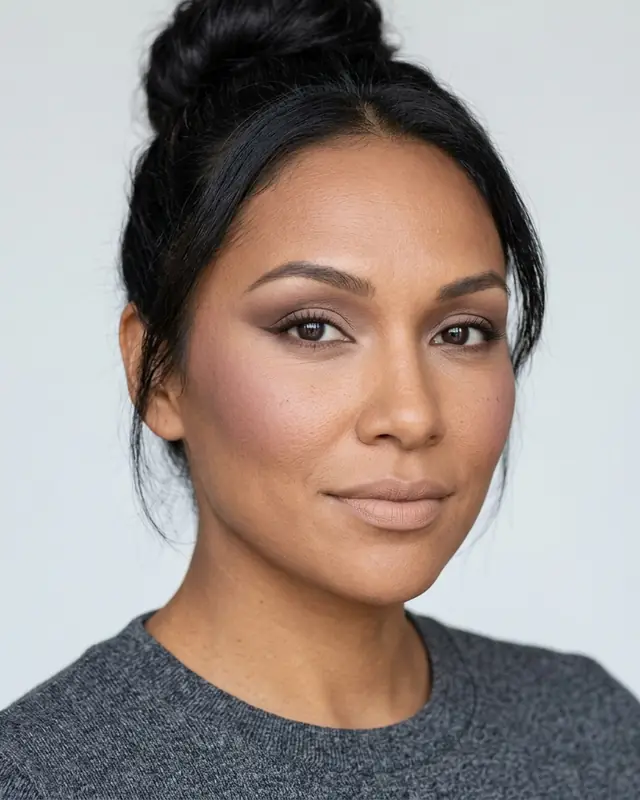
Best for
Hooded lids, disappearing shadow, liner transfer, and eye looks that vanish when your eyes are open.
Saw this on Pinterest? Preview a lifted eye-makeup direction on your selfie before you spend time blending shadow in the wrong place.
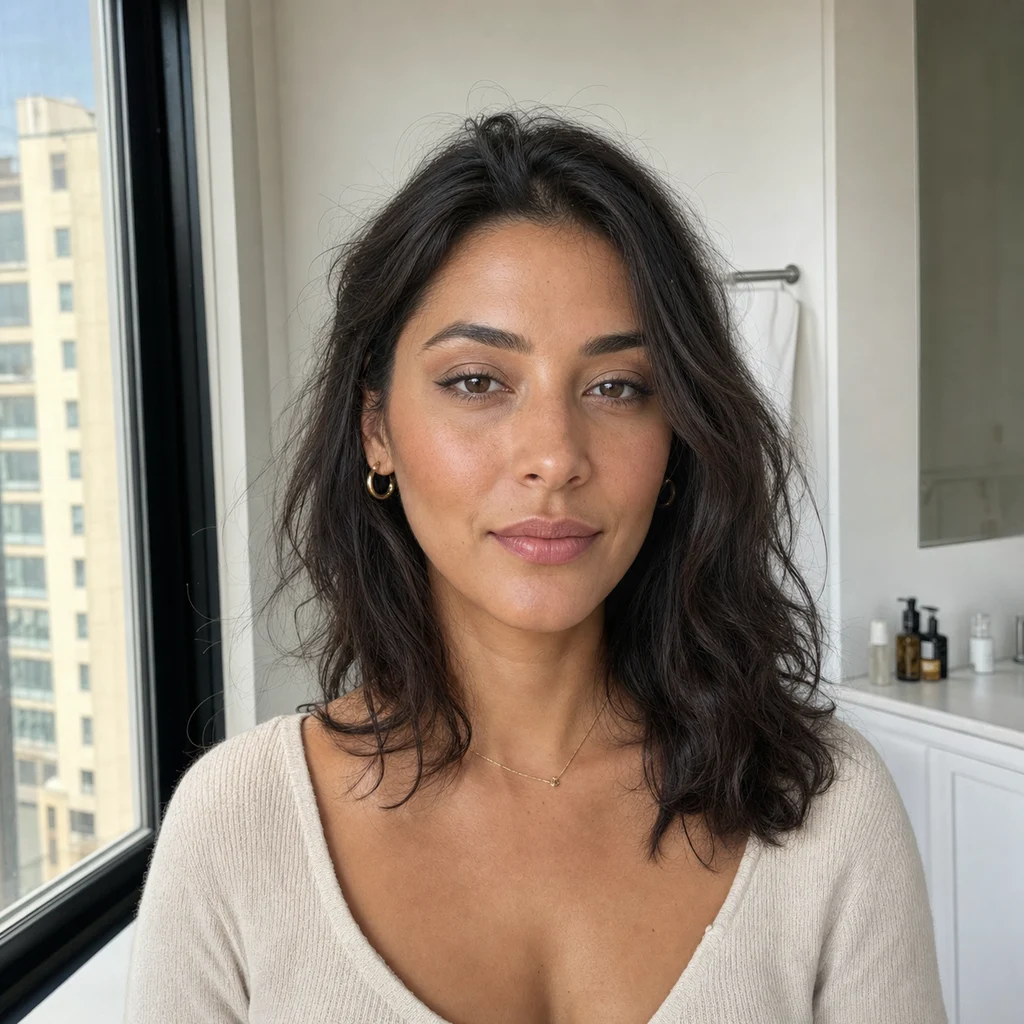
From Google Images
If this image brought you here, preview the same makeup direction on your selfie before you apply it.
Pinterest hooded-eyes makeup path
You clicked for hooded-eyes makeup, so this page opens with a visible-shadow direction. Preview the lift on your selfie before changing your routine.
Hooded lids, disappearing shadow, liner transfer, and eye looks that vanish when your eyes are open.
Look at whether the shadow stays visible above the fold and whether the outer corner feels lifted.
Use a straight-on selfie with both eyes open so the preview can judge open-eye placement.
Compare softer, stronger, and more lifted versions after the first free preview works.
You clicked for hooded-eye makeup, so this page opens with a lifted eye direction instead of a generic article.
The CTA opens the hooded-eyes lift look already selected, giving you one free Pinterest preview before sign-up.
Membership is for saving results, comparing eye looks, and generating more versions for your eye shape.
Free preview helps you check one placement. Membership is for saving results, comparing more eye looks, and building a repeatable routine.
Hooded eyes are one of the most common eye shapes, yet they receive the least tailored advice in mainstream beauty content. The defining characteristic is a skin fold that drapes from the brow bone downward, partially or completely concealing the mobile eyelid. This is different from deep-set eyes, which are positioned further back in the orbital bone, and different from prominent or protruding eyes, which bulge forward.
Many people don't realize they have hooded eyes because the condition can be asymmetrical, age-related, or subtle. Someone might have one hooded eye and one with a visible crease. Others develop hooding gradually as skin elasticity changes. The degree of hooding matters enormously for technique selection: a light hood requires only minor placement adjustments, while a heavy hood demands a complete redesign of your eye makeup strategy.
The core challenge with hooded eyes is what we call the "crease illusion." When you apply eyeshadow in your natural crease (the fold you see when your eyes are open), most of that color disappears behind the hood. This is why so many tutorials feel like they're describing a different face. The techniques below are designed for how hooded eyes actually behave, not for a generic eye shape.
The crease illusion technique involves creating a false crease line that sits above your natural fold. The principle is simple but counterintuitive: you apply transition and depth shades higher than where your actual crease sits, so that when your eyes are open (the position other people see you in), the gradient of color creates the appearance of dimension and structure.
Start by looking straight into a mirror and identifying the highest point of your hood. This is your working canvas. Everything below this line risks being hidden. Your "new crease" should be positioned about two to three millimeters above this point, blending upward toward the brow bone. Use a fluffy blending brush with a matte transition shade that's one to two tones darker than your skin. Build the color gradually in windshield-wiper motions, focusing on the outer two-thirds of the eye.
The result is not a dramatic transformation but a subtle optical effect. When done correctly, the viewer's eye perceives depth and structure where the hood would otherwise flatten the appearance. This technique forms the foundation for every other hooded-eye makeup application.
Standard tutorials assume the crease is a visible landmark. They instruct you to "pack color into the crease" and "blend into the outer V." For someone with visible lid space, this works perfectly. For hooded eyes, these instructions deposit color precisely where it will be swallowed by skin contact.
The second failure point is shimmer placement. Many tutorials put shimmer on the center of the lid for a pop of light. On hooded eyes, this shimmer gets squished into the fold, where it can actually emphasize puffiness rather than adding dimension. Instead, place shimmer on the inner corner and the brow bone, keeping the mobile lid area matte or satin.
Apply a thin layer of eyeshadow primer using your ring finger, pressing it into the lid and up to the brow bone. Avoid thick primer formulas, which add bulk and accelerate creasing on hooded skin.
Lightly dust translucent powder over the primed area. This creates a smooth, even surface that helps shadow blend more easily and prevents the tacky primer from grabbing pigment too aggressively.
Looking straight ahead, identify where you want the visible depth to appear. Apply a matte transition shade slightly above your natural fold, blending upward in gentle back-and-forth motions. This is the most critical step for hooded eyes.
Using a smaller, more precise brush, concentrate a deeper matte shade on the outer corner, extending it slightly upward along the false crease line. This elongates the eye and draws attention away from the hood itself.
Place a light-to-medium shade on the visible portion of the mobile lid, staying below the false crease. Keep shimmer to the inner corner and brow bone only; use matte or satin finishes on the main lid area.
Apply a thin line of brown or black liner along the upper lash line, keeping it tight to the lashes. Focus on the outer half and create a subtle upward flick. Curl lashes and apply mascara, concentrating on the outer corners for a lifting effect.
Apply and check your makeup with eyes open and looking forward. This is how the world sees you.
Shimmer folds into the hood, creating a metallic stripe instead of a luminous lid.
An upward-flicking eyeliner wing creates lift and draws the eye above the hood line.
Thick lines get swallowed by the hood and transfer to the upper fold, creating a messy look.
Matte shades build dimension without reflecting light into the fold area where it emphasizes texture.
Heavy lower lash liner closes off the eye, which is counterproductive when the upper lid is already partially hidden.
Common Mistake: The number one error people with hooded eyes make is applying eyeshadow while looking down into a mirror. This opens the lid fully and hides the hood, making it impossible to see where the color will actually land. Always check your work with eyes open and looking straight ahead. If you can't see the eyeshadow when your eyes are open, it needs to be placed higher.
Lashes play an outsized role in hooded-eye makeup because they are one of the few elements that remain fully visible. Curling your lashes before applying mascara creates an upward sweep that counteracts the downward pull of the hood. Focus mascara application on the outer lashes and consider a slightly longer formula on the outer corner to enhance the lifting effect.
If you are comparing the best mascara for hooded eyes, start with transfer control rather than maximum volume. A lighter lengthening formula keeps the lash line visible without stamping the upper fold, and a curved or tapered wand helps you build lift on the outer third of the eye.
Your brows also frame hooded eyes differently than other eye shapes. Well-groomed, slightly arched brows create the impression of more lid space by drawing the eye upward. Avoid overly flat brow shapes, which reinforce the horizontal weight of the hood. A gentle arch that peaks just past the outer iris helps balance the overall composition.
The final test for any hooded-eye makeup look: sit in natural lighting, look straight into a mirror at eye level, and assess what you can actually see. If your eyeshadow creates a pleasant gradient of depth, your liner adds subtle definition without heaviness, and your lashes frame the eye without being overwhelmed, you have a look that works. If the shadow disappears or the liner looks like a dark smudge, the placement needs adjustment. The beauty of mastering these techniques is that once you understand the geometry of your own eyes, you can adapt any trend to work with your shape rather than against it.
Try our AI-powered makeup try-on to test eyeshadow placements, eyeliner styles, and lash looks tailored to your eye shape before committing to real products.
Try Hooded Eyes Makeup FreeHooded eyes occur when a fold of skin droops over the crease, partially or fully covering the mobile eyelid. Unlike deep-set eyes (which sit further back in the socket), hooded eyes have extra skin that drapes over the lid from above. You can test this by looking straight into a mirror in natural light: if you can barely see your lid space above the lash line, you likely have hooded eyes. The hooding can range from a barely-there fold to a heavy brow bone that covers most of the eyelid.
The skin-on-skin contact created by the hood causes creasing and transfers pigment away from where you applied it. Regular eyeshadow placement assumes the crease is visible when your eyes are open, which is not the case with hooded lids. The shadow gets trapped in the fold and effectively disappears. Additionally, many primers are too thick for the thinner skin on hooded lids, accelerating the creasing process. The solution is working with a 'false crease' placement and using formulas designed for longevity rather than intensity alone.
For hooded eyes, a thin, tight-lined approach works best. Thick lines will be swallowed by the hood and transfer to the upper fold. Use a fine-tip gel or felt-tip liquid liner to create a subtle wing that extends slightly upward, giving the illusion of a lifted lid. Avoid lining the inner third of the upper lid, as this can make the eye appear smaller. Brown liner often looks softer and more natural on hooded eyes than stark black, especially for daytime wear. For the lower lash line, a smudged pencil in a medium brown adds depth without closing off the eye.
The best mascara for hooded eyes is usually a lightweight, smudge-resistant lengthening formula with a brush that can reach the outer lashes. Heavy volumizing formulas can transfer onto the hood, especially if your lashes touch the upper fold. Curl first, apply thin coats, and concentrate the most length on the outer third for lift.
A traditional cut crease can be challenging on hooded eyes because the fold hides the sharp line you create. However, an adapted 'open-eye cut crease' technique works beautifully: apply your concealer base with your eyes looking straight ahead, placing the cut line where you want the shadow to be visible. This means the actual crease line will sit slightly above your natural fold. Use a long-wearing concealer and set with translucent powder before adding shimmer on the lid. The key is designing the look for how your eyes appear when open, not closed.