
Dewy Skin Makeup: Get That Glass Skin Glow in 2026
Dewy makeup creates skin that looks hydrated, luminous, and genuinely healthy — not oily, not flat, but lit from within. Learn how to get that finish and keep it working in any weather.

Where the Dewy Trend Came From
The dewy skin movement traces back to the K-beauty glass skin trend of the late 2010s, but it has evolved into something distinctly its own. Glass skin aimed for a near-transparent, poreless finish that resembled the surface of glass. Dewy makeup is more forgiving and more universal — it does not demand poreless skin, just skin that looks well-nourished and reflecting light in a flattering way.
What makes dewy skin so popular in 2026 is that it aligns with the cultural shift toward skincare-first beauty. A dewy finish signals that your skin is healthy, not just covered. It reads as self-care in a way that matte finishes rarely do. This is not just an aesthetic preference — it is a value statement about what good skin should look like.
Dewy vs. Glowy vs. Satin: Understanding the Spectrum
These terms get used interchangeably, but they describe distinctly different finishes. Knowing the difference helps you choose the right products and set the right expectations.
| Dewy | Glowy | Satin | |
|---|---|---|---|
| Light reflection | High, wet-looking sheen | Moderate, diffused radiance | Soft, velvet-like luminosity |
| Texture | Wet, fresh, hydrated | Warm, lit-from-within | Smooth, semi-matte with subtle glow |
| Best skin type | Normal to dry | All skin types | Combination to oily |
| Longevity | 4-6 hours (needs touch-ups) | 6-8 hours | 8-10 hours |
| Product type | Liquid/cream everything | Strategic powder + liquid mix | Powder with luminous undertones |
| Vibe | Skincare-forward, fresh-faced | Healthy, vibrant, everyday | Polished, professional, refined |
Skin Prep Before Dewy Makeup
Dewy makeup starts hours before you apply any product. A dewy finish on dehydrated skin is like putting a gloss varnish on cracked paint — it amplifies the problems underneath instead of hiding them.
The ideal prep routine for dewy makeup: start with a gentle cleanser that does not strip your moisture barrier. Apply a hydrating toner with ingredients like beta-glucan or centella. Follow with a hyaluronic acid serum on damp skin. Seal with a moisturizer rich in ceramides or squalane. Wait at least five minutes before any makeup application to let everything absorb.
If your skin feels tight or looks flaky before makeup, you need more prep time, not more product. A sheet mask 10 minutes before makeup application gives you the most hydrated canvas possible for a truly dewy result.
Your Dewy Makeup Application Steps
Hydrating Primer
Apply a hydrating primer with a slightly tacky finish all over. This creates a moisture base that helps subsequent products grip and glow rather than slide. Focus extra product on cheeks and the center of the forehead.
Dewy Foundation or Skin Tint
Apply with damp fingers, pressing (not swiping) to keep the luminous particles suspended in the formula. Pressing preserves the light-reflecting quality that swiping disturbs. Blend outward from the center of the face.
Liquid Highlighter
Mix one drop of liquid highlighter into your foundation for an all-over glow, or apply it directly to cheekbones, brow bone, and inner eye corners for targeted luminosity. Tap with fingertips — brushes remove the product.
Cream Blush and Bronzer
Cream blush gives the most natural flush under a dewy finish. Apply to the apples and blend upward. Cream bronzer can be applied sparingly to add warmth without matte patches. Both should be tapped in, never dragged.
Setting Spray Only
Finish with a hydrating or dewy setting spray. Avoid powder entirely on the cheeks and high points. If your T-zone needs control, press a tiny amount of translucent powder only on the sides of the nose and center forehead, leaving the cheekbones untouched.
Try Dewy Makeup on Your Own Face
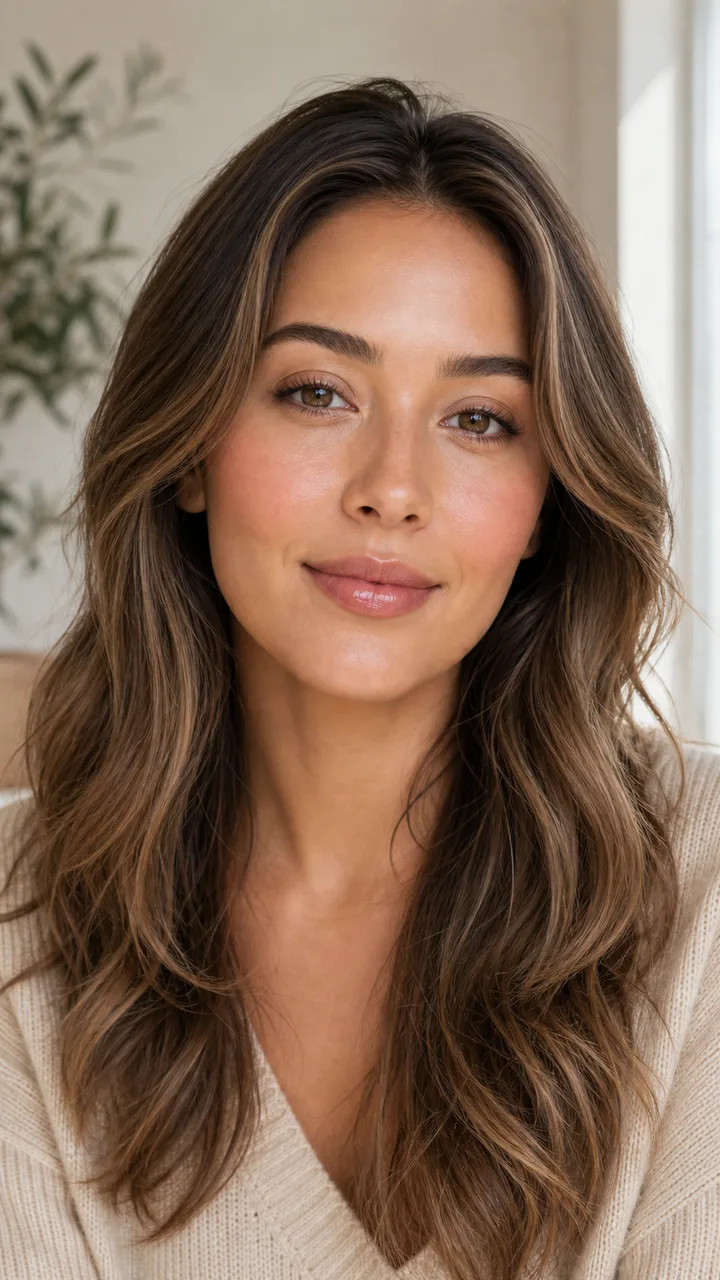
Dewy makeup can look very different depending on your skin tone, texture, and natural oil production. Our AI try-on helps you preview how a dewy finish may read on your features, so you can decide whether to go full dewy or mix in some satin elements for balance.
Validate the direction in three views

See Dewy Skin on Your Face
Upload a selfie and preview a personalized dewy finish in seconds.
Try This Style on Your Face — FreeFrequently Asked Questions
Can I wear a dewy finish if I have oily skin?
Yes, but you need to be strategic about placement. The dewy finish should live on the high points of your face — cheekbones, brow bone, inner eye corner, and the center of the lips. Your T-zone should be set with a lightweight powder to prevent excess shine from becoming greasy. The result is targeted luminosity where it flatters you, with controlled areas where oil would otherwise break down the look.
How do I make a dewy finish last all day?
The secret is layering hydrating products underneath. A dewy look built on dehydrated skin will fade within two hours because the skin pulls moisture from the products sitting on top. Start with a hydrating serum, apply a moisturizer with humectants like glycerin or hyaluronic acid, then use a dewy foundation or skin tint. Lock the edges (not the center) with setting spray — not powder, which kills the finish. Carry blotting papers for touch-ups rather than adding more powder.
What are the best products for achieving dewy skin?
Focus on liquid and cream formulas: a hydrating primer with a slightly tacky finish, a dewy or radiant-finish foundation, liquid highlighter mixed into foundation or applied alone, cream blush that melts rather than sits on top, and a hydrating setting spray. Avoid all powder products except for targeted setting in oily zones. The product texture should feel like skincare, not traditional makeup.
Does dewy makeup look good in humid climates?
Humidity is the biggest challenge for dewy makeup because the moisture in the air compounds with the moisture on your skin, potentially creating a greasy rather than dewy appearance. In humid climates, switch from liquid highlighter to a finely milled powder highlighter — it gives the same reflective quality but with less slip. Use a mattifying primer only on the T-zone and keep the dewy products on the cheeks and outer perimeter. A good setting spray with film-forming polymers is non-negotiable in humidity.