
Mature Skin Makeup That Stays Luminous, Never Cakey
Mature skin needs different techniques, not less makeup. Preview a hydrating, texture-friendly direction before choosing your routine.
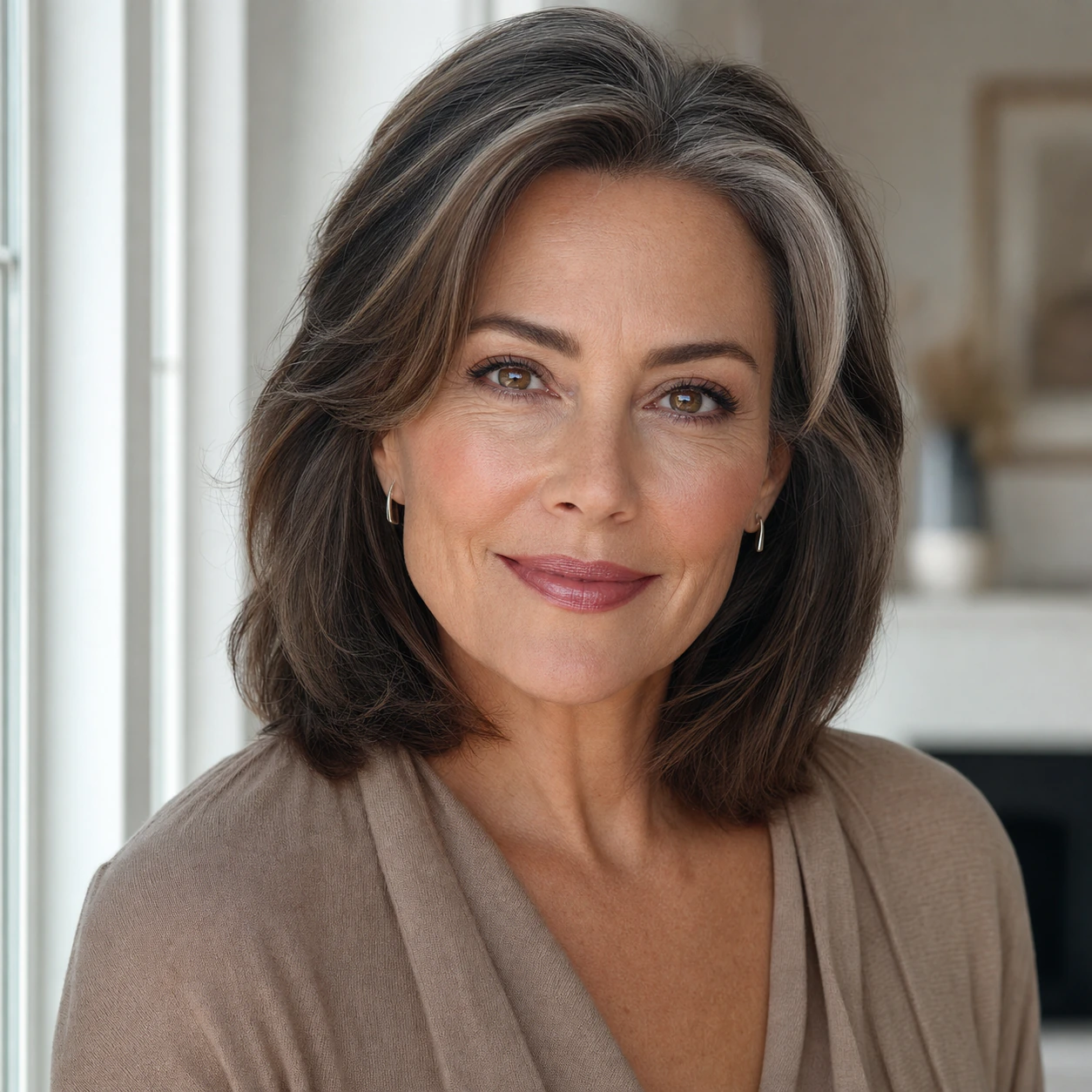
From Google Images
Try luminous makeup for mature skin on your face
If this image brought you here, preview the same makeup direction on your selfie before you apply it.
Why Mature Skin Requires a Different Approach
As skin matures, it undergoes several changes that directly affect how makeup sits, blends, and lasts. Collagen production decreases, leading to reduced elasticity and the appearance of fine lines. Natural oil production slows, making skin drier and less forgiving of heavy or matte formulas. Texture becomes more varied, with areas of roughness alongside areas of thinness. These changes are universal to the aging process, though the timeline varies significantly from person to person.
The fundamental principle of makeup for mature skin is hydration first, coverage second. Every technique in this guide builds on the idea that well-prepared skin needs less product and looks better with lighter formulas. This is the opposite of the instinct to "cover up" lines and imperfections with thicker products, which almost always backfires by settling into the very features you are trying to minimize.
Skin Prep: The Foundation of Everything
Before any color product touches your face, the skin needs to be properly prepared. This is not a quick step. A solid prep routine takes about five minutes and makes the difference between makeup that looks luminous and makeup that looks dry and settled.
Start with a gentle cleanser that does not strip the skin. Follow with a hydrating toner or essence to replenish moisture. Apply a serum containing hyaluronic acid, which holds up to 1,000 times its weight in water and creates a plumping effect that smooths fine lines from underneath. Follow with a moisturizer suited to your skin type, pressing it in rather than rubbing. Finally, apply a hydrating primer with a slight tack to grip the makeup that follows.
Sunscreen is non-negotiable. Choose a hydrating formula with at least SPF 30 and let it set for a few minutes before applying any makeup. Many modern sunscreens double as primers, eliminating an extra step. The key is giving each layer time to absorb before adding the next, which prevents pilling and ensures smooth application.
Your Mature Skin Makeup Routine
Hydrate and Prime Thoroughly
Apply hydrating serum, moisturizer, and primer in thin layers, allowing each to absorb. This prep is the single most important factor in how your makeup will look and last throughout the day.
Apply Lightweight Foundation with a Sponge
Use a damp beauty sponge to press a lightweight, hydrating foundation into the skin. Focus on areas that need evening out rather than covering the entire face. A satin or luminous finish is preferable to matte.
Spot Conceal Sparingly
Apply concealer only where needed: under eyes, around the nose, and on any age spots. Use a hydrating formula and press it in with your fingertip, which warms the product and helps it blend naturally.
Set Only Crease-Prone Areas
Using a small brush, apply a minimal amount of finely-milled translucent powder under the eyes and around the nose. Leave the rest of the face unwaxed to maintain luminosity and avoid a flat, powdery appearance.
Add Color with Cream Products
Apply cream blush to the apples of the cheeks, cream bronzer along the perimeter of the face, and cream eyeshadow on the lids. Cream products blend into mature skin naturally and add healthy luminosity.
Define Brows and Finish
Fill in brows with a fine pencil or tinted gel. Well-defined brows frame the face and add structure. Finish with a hydrating lip color and a light setting spray to meld all the layers together.
Cream vs Powder: Product-by-Product Guide
Blush
Cream blush blends seamlessly into mature skin, adds natural luminosity, and never looks powdery or cakey. The clear winner for this category.
Bronzer / Contour
Cream bronzer melts into the skin for a natural warmth. Powder bronzer can emphasize texture and create a dusty, unnatural appearance.
Eyeshadow
Cream eyeshadows in matte and satin finishes are ideal. Avoid glittery creams. Stick formulas are easy to apply and blend on mature lids.
Setting (Selective)
A finely-milled translucent powder applied sparingly under the eyes and around the nose prevents creasing without dulling the overall finish.
Highlighter
Liquid or cream highlighters give a natural, lit-from-within glow. Powder highlighters can settle into fine lines and emphasize texture.
Foundation
Hydrating liquid foundations are generally best, but some mature skin types do well with cushion compacts or even hydrating powder foundations for touch-ups.
Myth Debunked: "Mature skin should avoid shimmer entirely." This is not true. The issue is not shimmer itself but the type and placement of shimmer. Large, chunky glitter particles emphasize texture and draw attention to lines. However, finely-milled luminous finishes and subtle satin sheens actually flatter mature skin by reflecting light in a way that softens the appearance of fine lines. The key is choosing sophisticated luminosity over sparkle.
What to Skip: Products That Work Against You
Some products that are beloved in the broader beauty community simply do not serve mature skin well. Full-coverage matte foundations are the most common culprit. They create a uniform, flat surface that emphasizes every line and texture variation underneath. Tinted moisturizers, BB creams, or lightweight liquid foundations will almost always look better.
Baking (the technique of applying heavy powder under the eyes and letting it sit) is another trend to abandon. It was designed for oily skin types and photography; on mature skin, it exaggerates fine lines and creates a dry, aged appearance. Similarly, matte liquid lipsticks that dry down completely tend to bleed into the vertical lines around the mouth. A satin or hydrating lip formula with a lip liner to prevent feathering is a far better choice.
The Anti-Aging Makeup Reality
No makeup product will reverse the signs of aging, and that is fine. The goal of these techniques is not to turn back the clock but to present the most vibrant, healthy version of your current skin. Hydrated, well-prepped skin with light, strategic color looks infinitely better than skin buried under layers of concealer and powder. Embrace the luminosity that comes from good skincare and thoughtful product choices. The result is a look that is polished without being overdone, and age-appropriate without being timid.
Find the Best Makeup for Your Skin
Our AI analyzes your skin type and recommends makeup techniques, product types, and shades that work beautifully with mature skin.
Try This Look FreeFrequently Asked Questions
What is the best foundation for mature skin?
The best foundation for mature skin is lightweight, hydrating, and buildable rather than full-coverage and heavy. Liquid foundations with a satin or luminous finish work better than matte formulas, which emphasize texture and dryness. Look for formulas containing hyaluronic acid, glycerin, or squalane, which hydrate while providing coverage. Tinted moisturizers and cushion compacts are excellent choices for everyday wear because they provide light, even coverage without sitting on top of the skin. Avoid thick, cakey foundations entirely. The goal is to even out skin tone while letting your natural texture show through, which paradoxically makes skin look younger than a full-coverage mask.
Should I use cream or powder products on mature skin?
As a general rule, cream products are more flattering on mature skin because they meld with the skin rather than sitting on top of it. Cream blush, cream contour, and cream eyeshadows blend seamlessly and add a natural luminosity that powder products can sometimes flatten. However, powder still has a place: a light dusting of translucent setting powder on areas prone to creasing (like the under-eye area) can prevent products from shifting. The best approach is a hybrid: cream for color products (blush, bronzer, eyeshadow) and a minimal amount of powder only where necessary for longevity.
How do I prevent makeup from settling into fine lines?
Preventing makeup from settling into fine lines starts with skincare: well-hydrated skin minimizes the appearance of lines before any makeup is applied. Use a hydrating serum followed by a moisturizer, then a hydrating primer. When applying foundation, use a damp beauty sponge and press the product into the skin rather than dragging it. Under the eyes, apply concealer sparingly and set with a very small amount of finely-milled powder only on the areas that crease. Avoid applying product directly into deep lines or folds. Less is always more with mature skin: thick layers of product will inevitably migrate into creases, while thin, well-prepped layers stay in place.